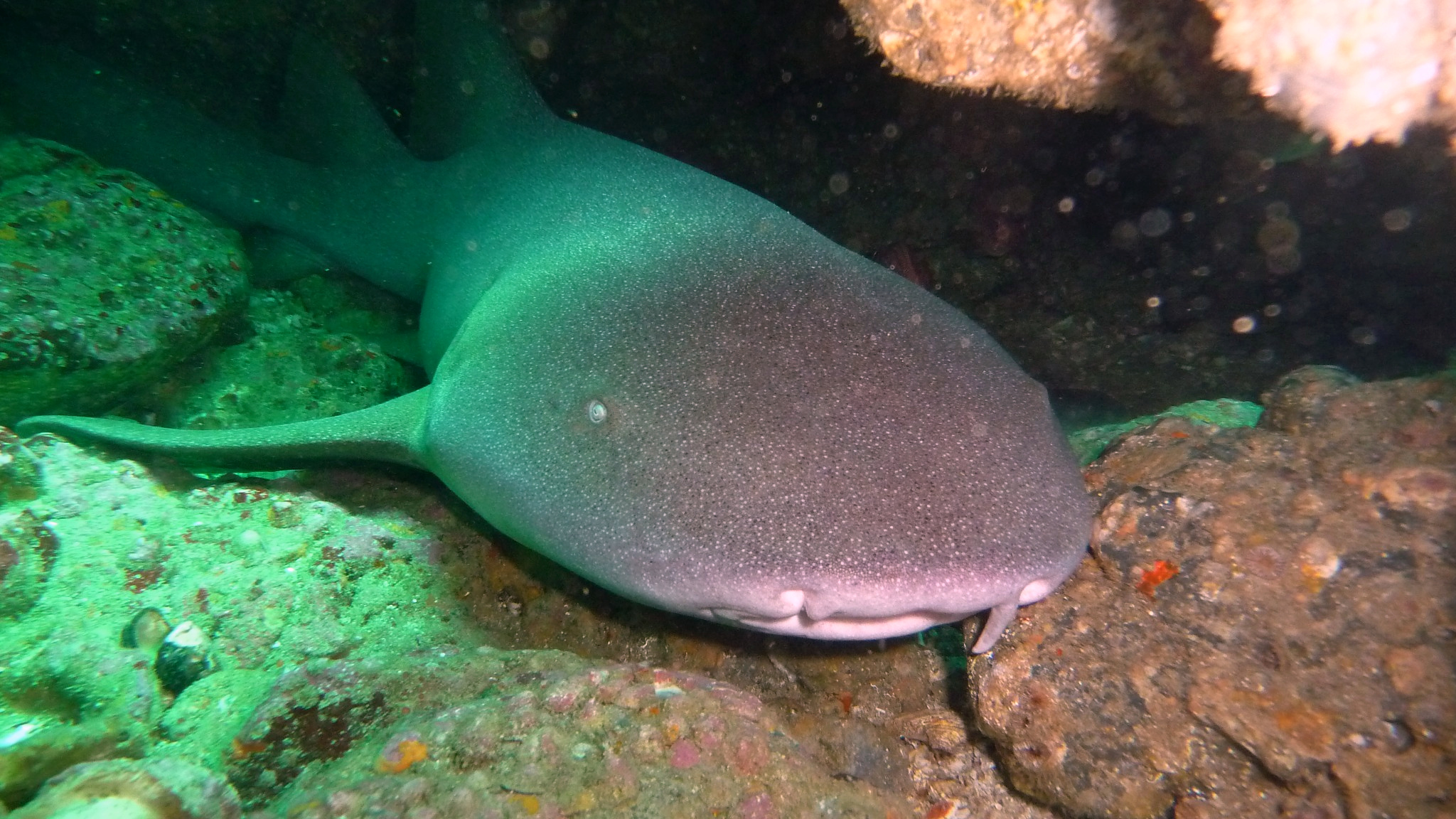
Pacific Nurse Shark
SCIENTIFIC NAME:
Ginglymostoma unami
🇪🇸 Common name (ES): Tiburón gata del Pacífico
🇺🇸 Common name (EN): Pacific Nurse Shark
CLASSIFICATION
Phylum:
Chordata
Class:
Chondrichthyes
Order:
Orectolobiformes
Family:
Ginglymostomatidae
Genus:
Ginglymostoma
Species:
Ginglymostoma unami
 DISTRIBUTION IN COSTA RICA
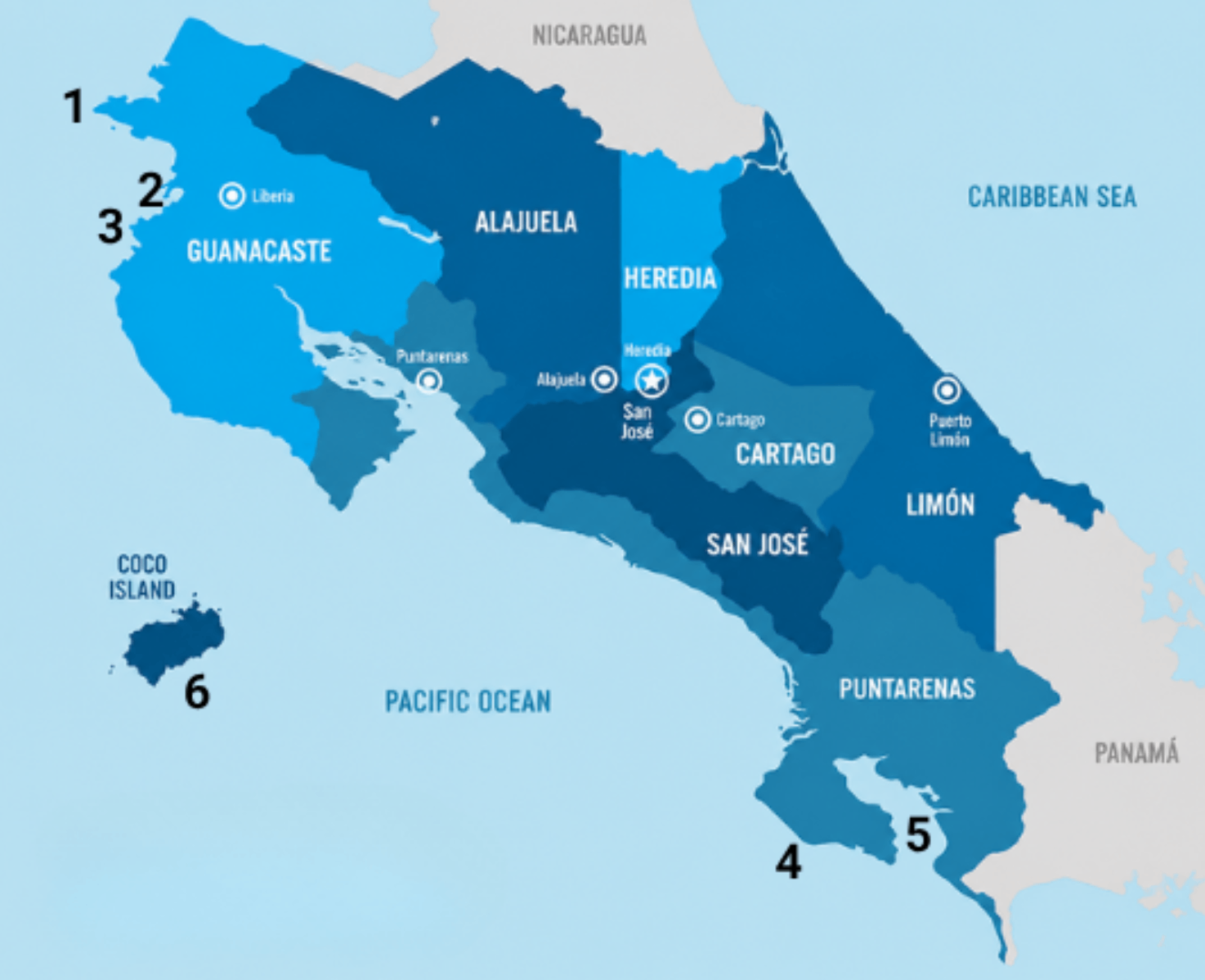
● 1 – Bat Islands
● 2 – Gulf of Papagayo
● 3 – Catalina Islands
● 4 – Osa Peninsula
● 5 – Golfo Dulce
● 6 – Cocos Island
 DEPTH RANGE
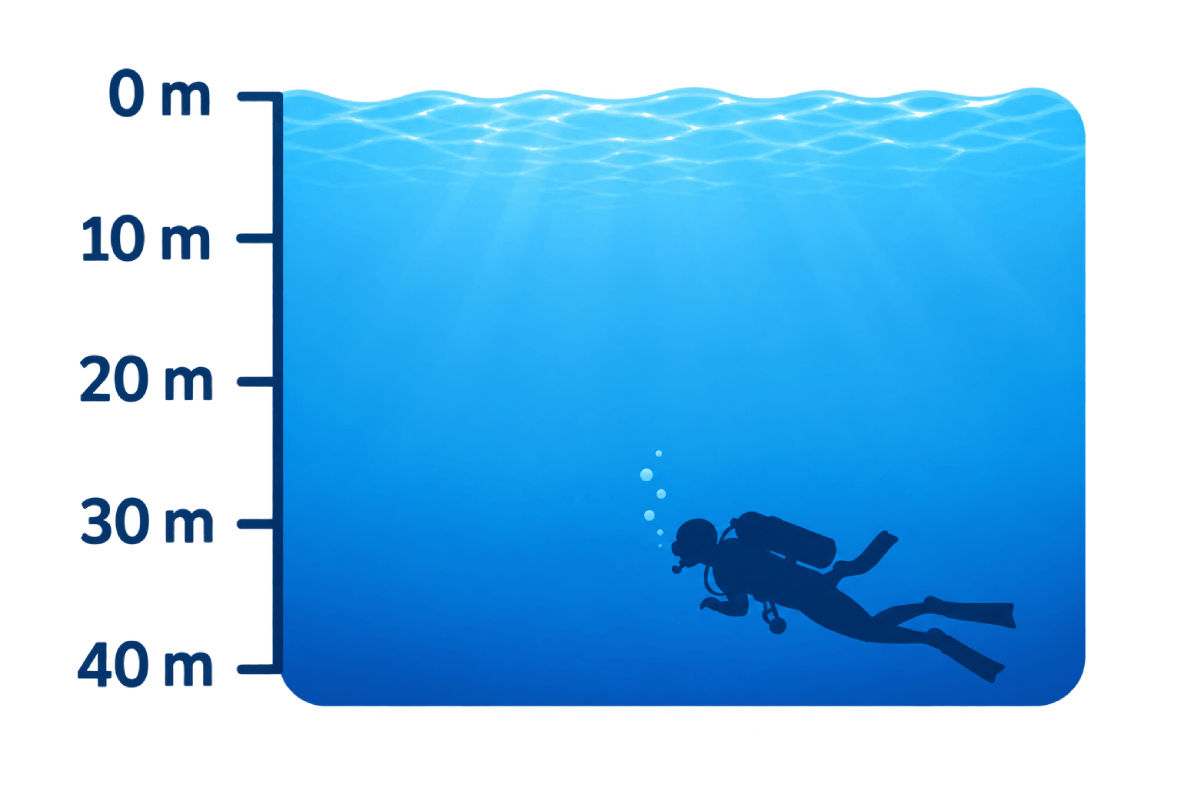
General: 1–75 m (3–246 ft)
Common: 5–20 m (16–66 ft)
 HABITAT
🌊 Shallow tropical waters
〰 Sandy Bottom
⛰️ Reef Crevices & Caves
Shallow tropical waters with sandy bottoms, crevices and caves in reefs.
 HOW TO IDENTIFY IT
- Length: 70–300 cm (2.3–9.8 ft).
- Weight: 5–100 kg (11–220 lb).
- Broad, flattened head with small eyes.
- Distinctive barbels near the nostrils.
- Uniform yellowish-brown coloration.
- Mouth with dental plates.
 SIMILAR SPECIES
- Whitetip Reef Shark (Triaenodon obesus): White-tipped fins and a smaller head.
 SIGHTING FREQUENCY
- ●●○○○ Rare
 REPRODUCTION
- Sexual maturity: 10–12 years.
- Ovoviviparous, with internal fertilization.
- Females give birth to litters of 10–30 live pups.
- Gestation lasts approximately 6 months.
 BEHAVIOR
- Nocturnal and sedentary, generally spending the day resting beneath rocky overhangs or in caves.
- Usually solitary, although individuals may occasionally share resting sites.
 DIET
- Feeds by suction on the seabed, mainly on invertebrates and small bottom-dwelling fish.
- 🦀 Crustaceans
- 🐚 Mollusks
- 🐟 Small bottom-dwelling fish