Pacific Seahorse
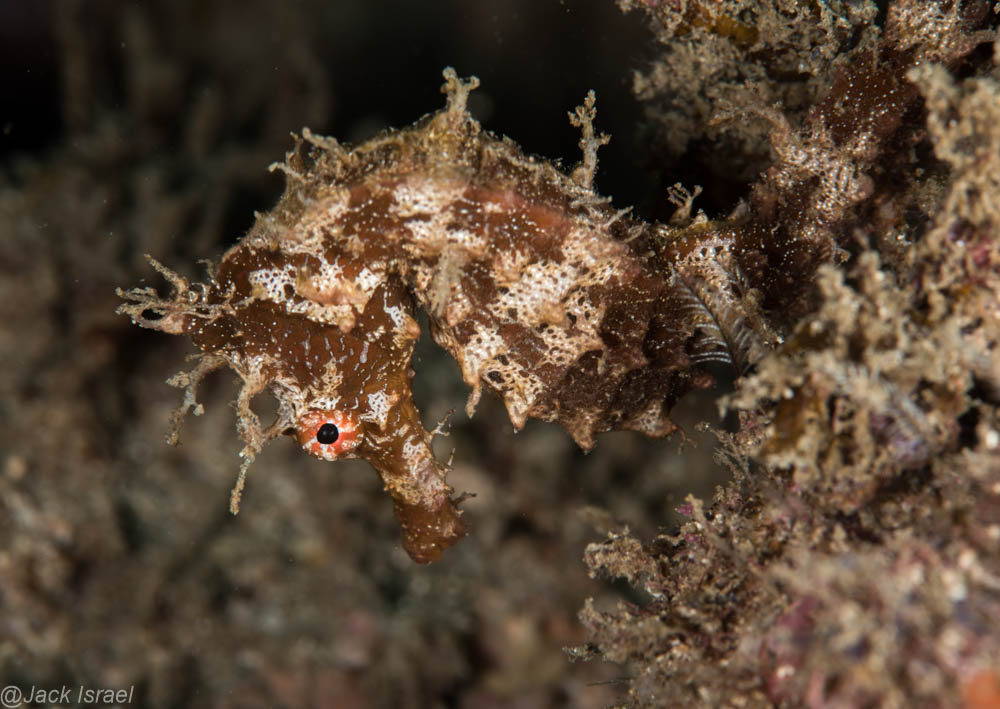
SCIENTIFIC NAME:
Hippocampus ingens
🇪🇸 Common name (ES): Caballito de mar del Pacífico
🇺🇸 Common name (EN): Pacific Seahorse
CLASSIFICATION
Phylum:
Chordata
Class:
Actinopterygii
Order:
Syngnathiformes
Family:
Syngnathidae
Genus:
Hippocampus
Species:
Hippocampus ingens
 DISTRIBUTION IN COSTA RICA
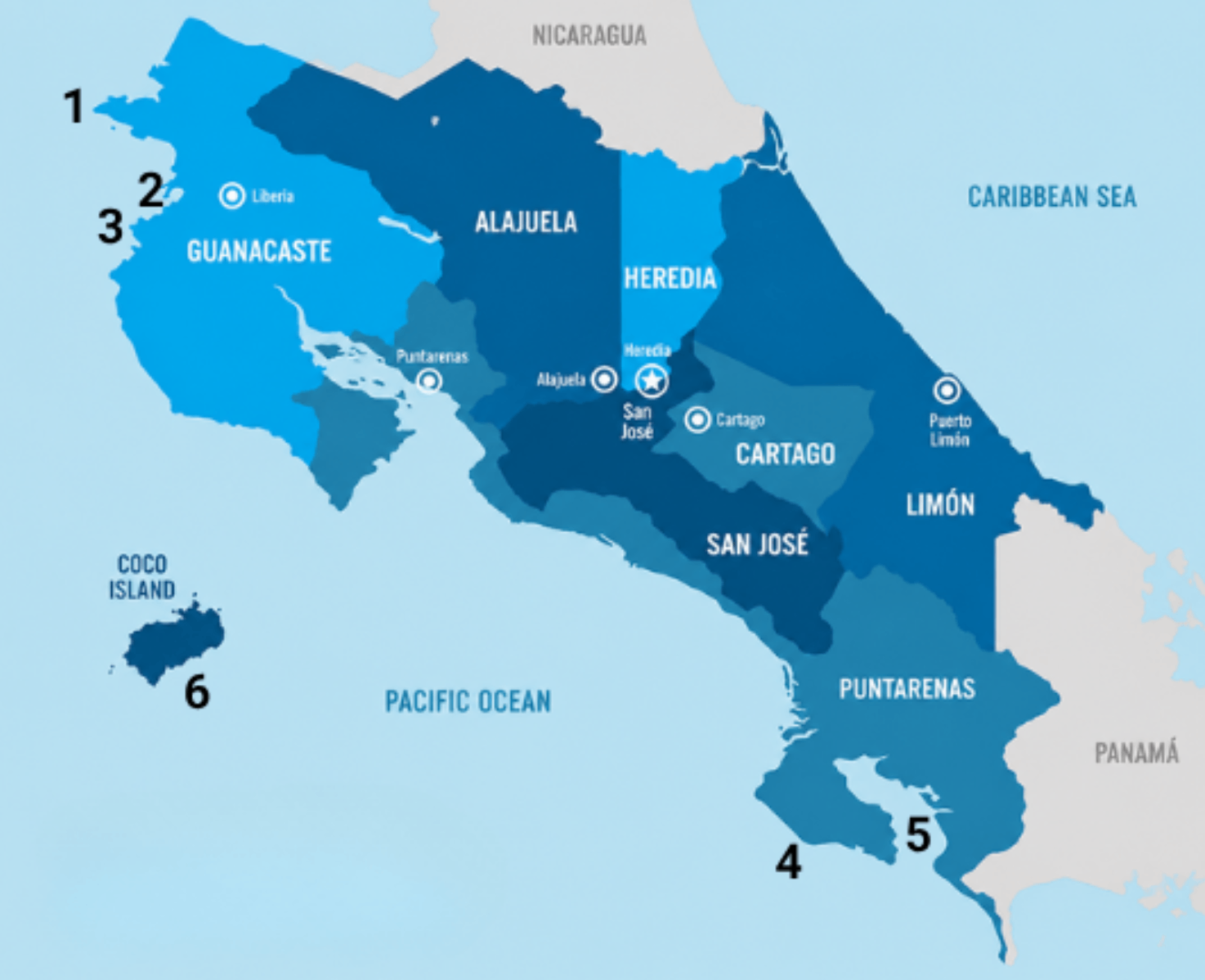
● 1 – Bat Islands
● 2 – Gulf of Papagayo
● 3 – Catalina Islands
● 4 – Osa Peninsula
● 5 – Golfo Dulce
● 6 – Cocos Island
 DEPTH RANGE
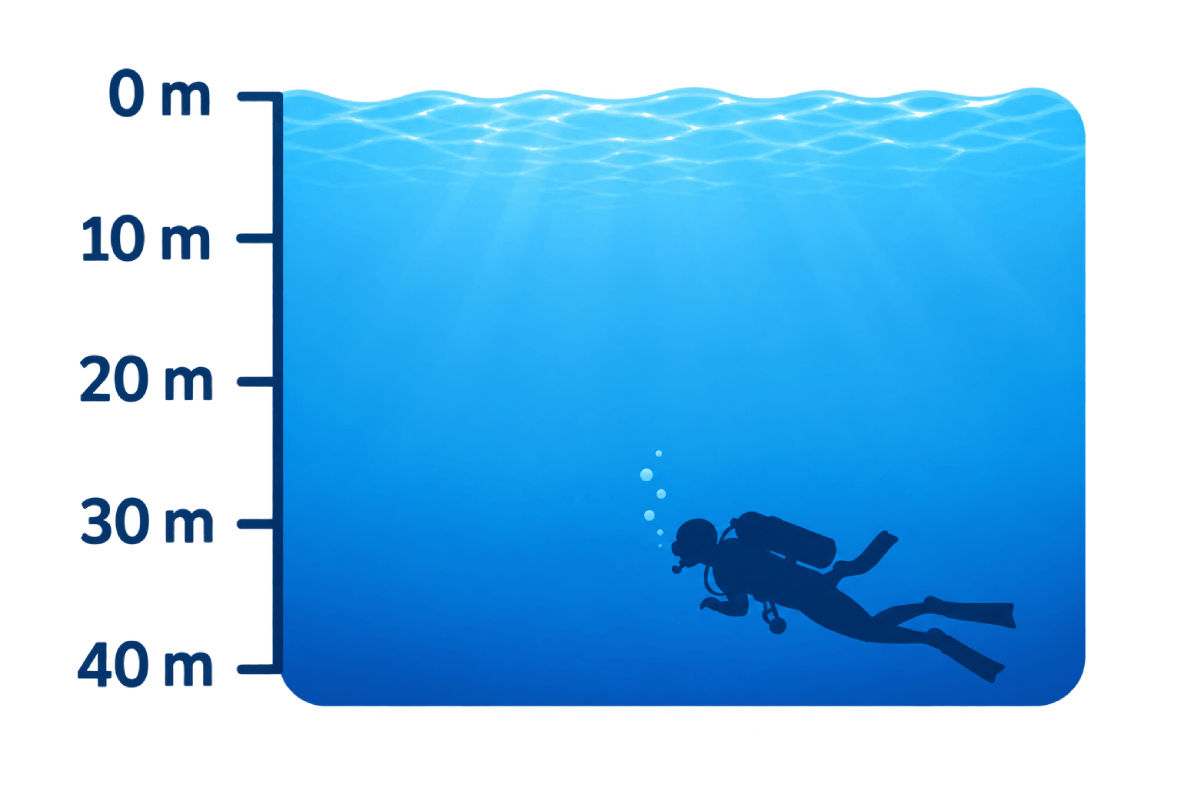
General: 1–30 m (3–98 ft)
Common: 3–15 m (10–49 ft)
 HABITAT
Rocky bottoms, reefs, seagrass beds, sponges and algae.
 HOW TO IDENTIFY IT
- Length: 8–12 cm (3.1–4.7 in).
- Variable coloration: yellow, brown, orange, pink or gray, with patches and spots.
- Body covered in bony plates arranged in rings; horse-shaped head.
- Long, tubular snout.
- A coronet with spines or short filaments on top of the head.
- Eyes move independently in different directions.
- Prehensile tail without a caudal fin, used for gripping.
 SIMILAR SPECIES
- Lined Seahorse (Hippocampus erectus): Found in the Caribbean.
- Longsnout Seahorse (Hippocampus reidi): Described in the notes as smaller, with a pattern of dark and light bands.
 SIGHTING FREQUENCY
- ●○○○○ Rare
 REPRODUCTION
- Males mature at 5–6 months, at a length of 7–8 cm (2.8–3.1 in); females at 6–7 months, at 8–9 cm (3.1–3.5 in).
- Ovoviviparous, with internal fertilization.
- The male receives the female’s eggs and incubates them in his brood pouch until the young are born fully formed and independent.
- Each reproductive cycle may produce 100 to more than 1,000 young.
 BEHAVIOR
- Calm and a weak swimmer, moving slowly using its small dorsal fin.
- Excellent camouflage: can change color and texture to blend into its surroundings.
 DIET
- Carnivorous.
- Small crustaceans, fish larvae, zooplankton and other invertebrates, sucked in through its snout.