Pacific Tube Anemone
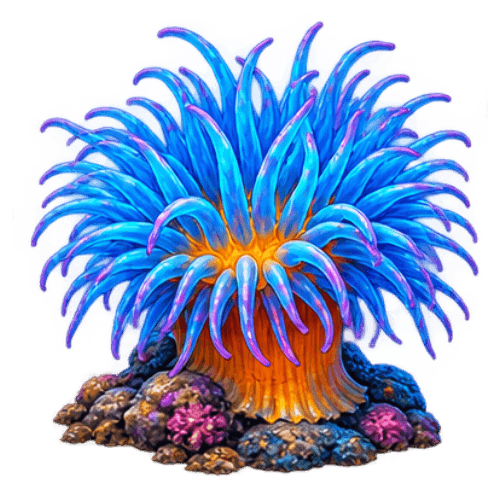
SCIENTIFIC NAME:
Pachycerianthus fimbriatus
🇪🇸 Common name (ES): Anémona de tubo del Pacífico
🇺🇸 Common name (EN): Pacific Tube Anemone
CLASSIFICATION
Phylum:
Cnidaria
Class:
Anthozoa
Order:
Ceriantharia
Family:
Cerianthidae
Genus:
Pachycerianthus
Species:
Pachycerianthus fimbriatus
 DISTRIBUTION IN COSTA RICA
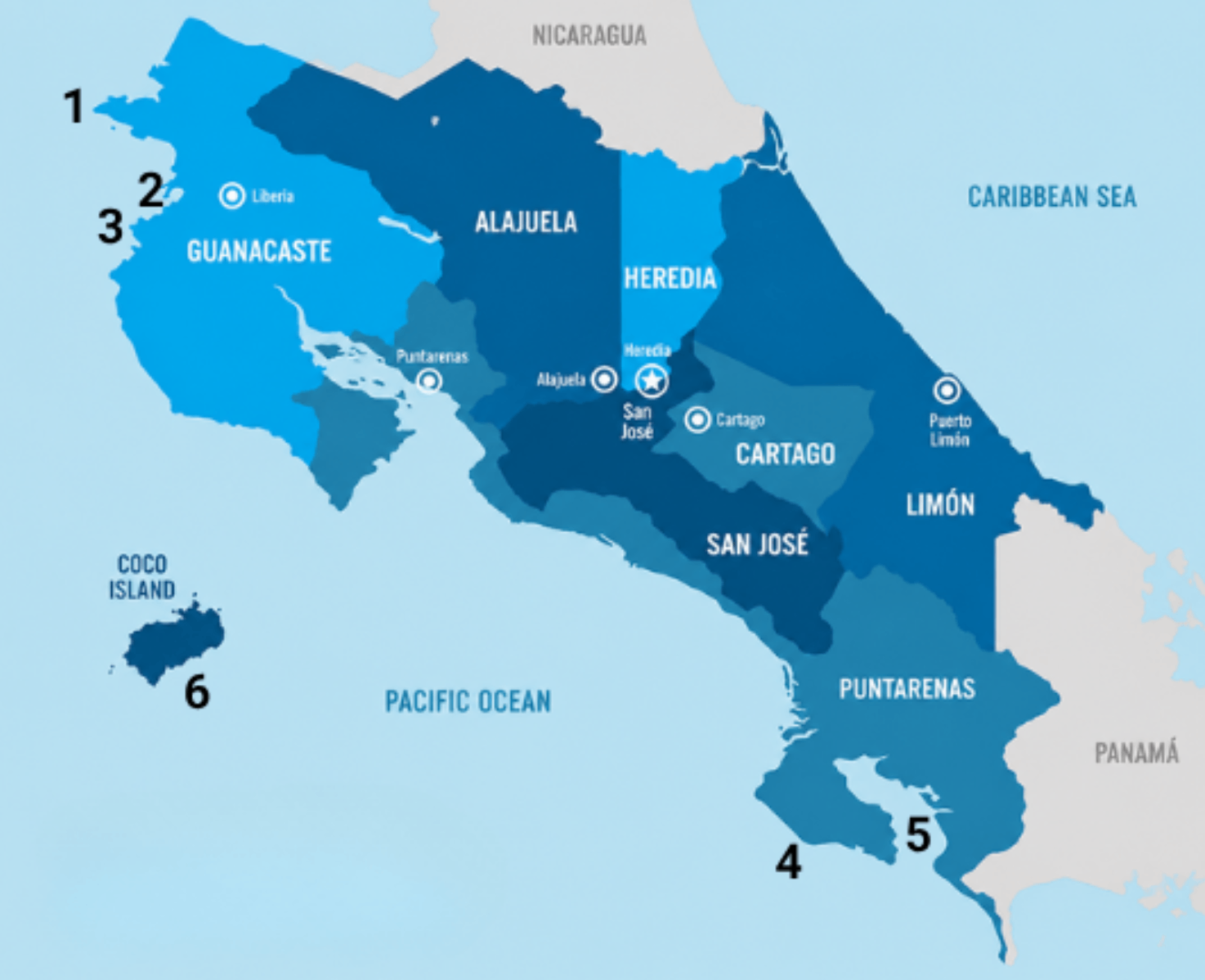
● 1 – Bat Islands
● 2 – Gulf of Papagayo
● 3 – Catalina Islands
● 4 – Osa Peninsula
● 5 – Golfo Dulce
● 6 – Cocos Island
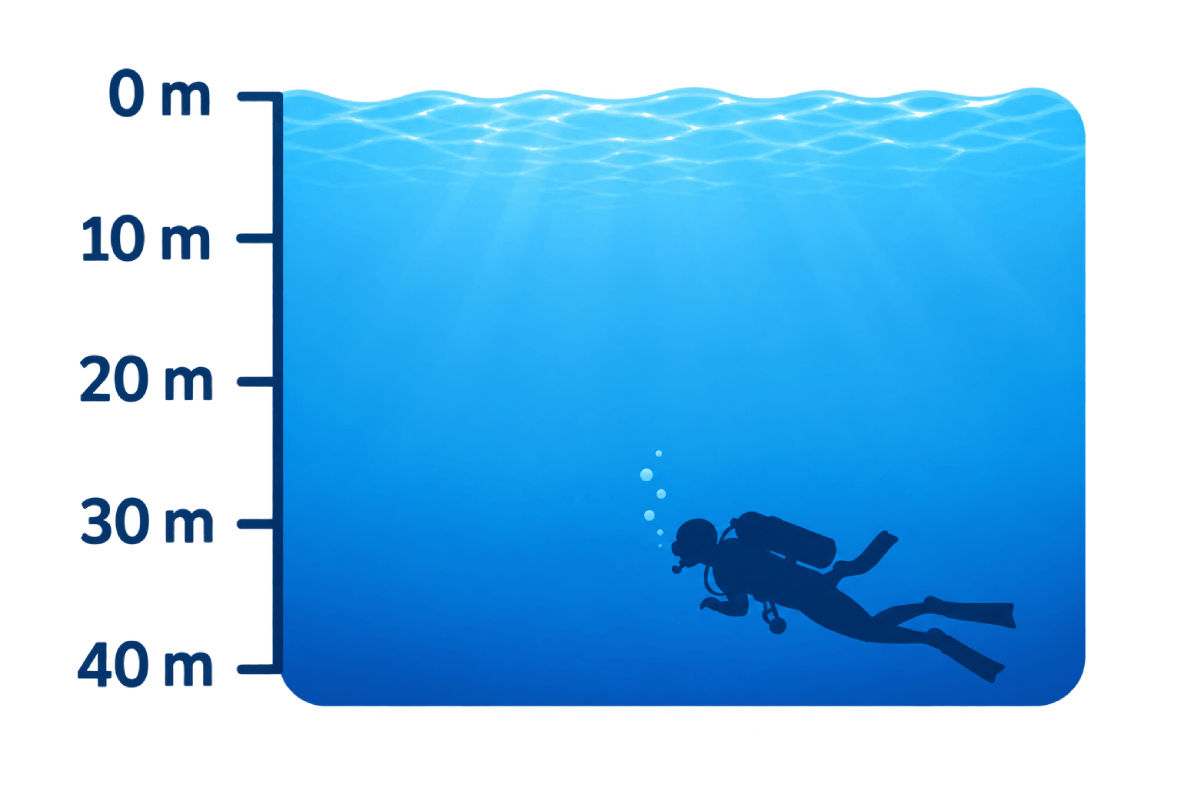
 DEPTH RANGE
General: 1–40 m (3–131 ft)
Common: 5–25 m (16–82 ft)
 HABITAT
Rocky reefs, mixed bottoms, caves, crevices and rubble.
 HOW TO IDENTIFY IT
- Column length: up to 30 cm (11.8 in).
- Tube diameter: 1–3 cm (0.4–1.2 in).
- Long, slender, translucent tentacles, often with bands or purple tips.
- Oral disc with brown or orange radial lines.
- Whitish to beige column with lines or spots.
- Lives inside a rigid tube that may be covered with sand, shells and algae.
 SIMILAR SPECIES
- Feather Duster Worm (Sabella sp.): A marine polychaete worm, rather than an anemone, with feather-like tentacles that retract into a tube.
 SIGHTING FREQUENCY
- ●●○○○ Regular
 REPRODUCTION
- Sexual maturity is reached when the column is 5–10 cm (2–3.9 in) tall.
- Hermaphroditic, with external fertilization.
- Releases eggs and sperm into the water, where fertilization occurs.
- Planula larvae swim freely before settling and forming a tube.
 BEHAVIOR
- Usually solitary.
- Retracts its tentacles during the day and can close the entrance to its tube.
- Extends its tentacles at night to capture food.
 DIET
- Carnivorous.
- Captures small fish, shrimp, larvae and plankton with tentacles equipped with cnidocytes (stinging cells).