Harlequin Shrimp
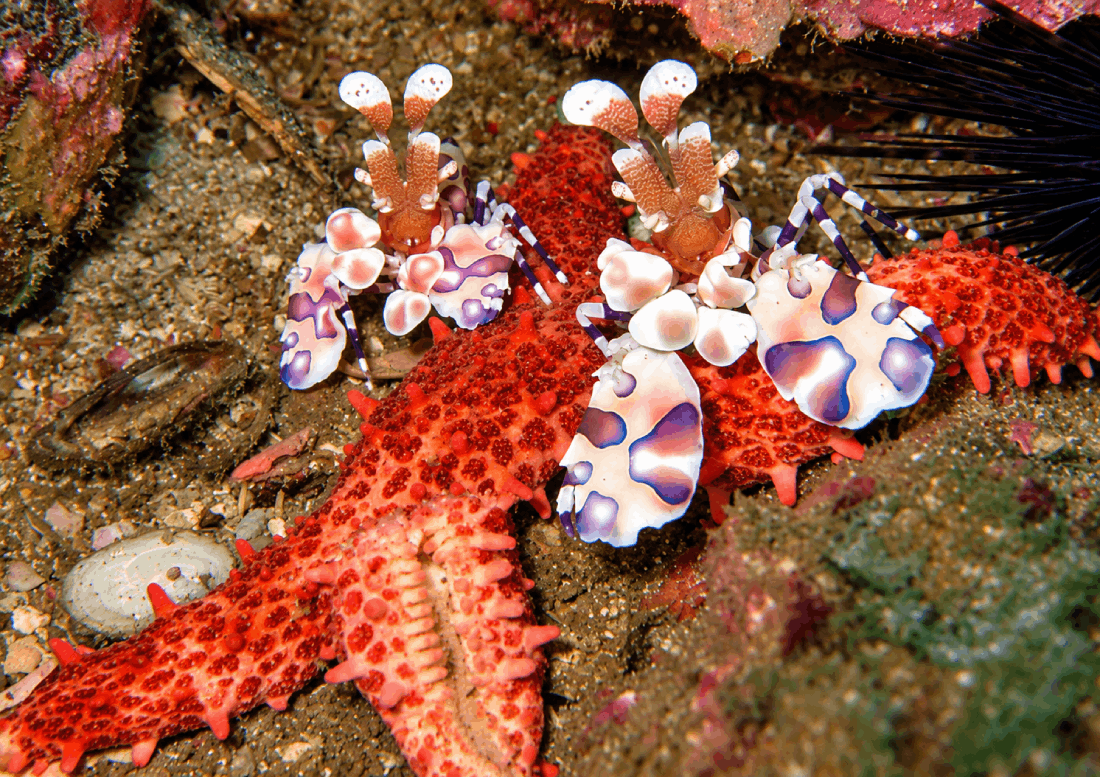
🇪🇸 Common name (ES): Camarón payaso / Camarón arlequín
🇺🇸 Common name (EN): Harlequin Shrimp
Phylum:
Arthropoda
Class:
Malacostraca
Order:
Decapoda
Family:
Hymenoceridae
Genus:
Hymenocera
Species:
Hymenocera picta
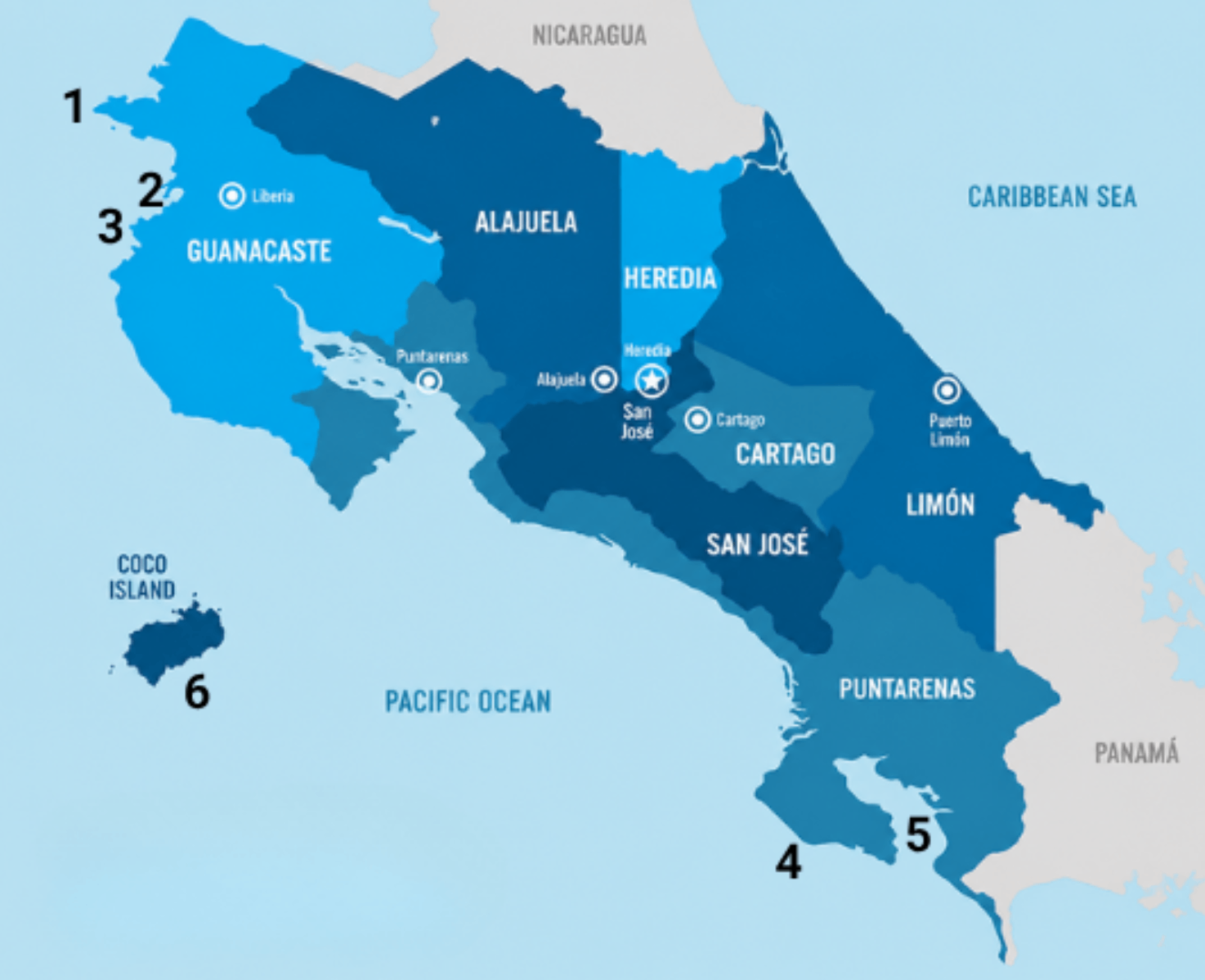
 DISTRIBUTION IN COSTA RICA
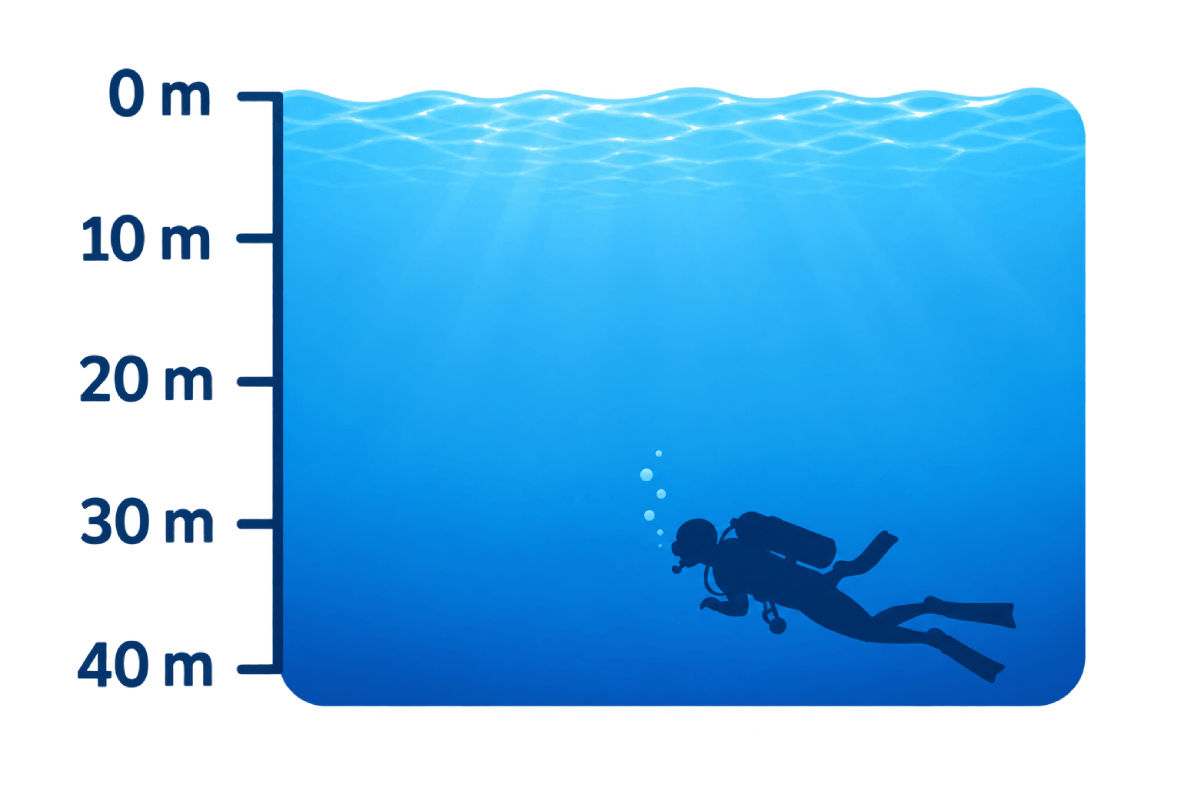
 DEPTH RANGE
General: 2–30 m (7–98 ft)
Common: 5–20 m (16–66 ft)
 HABITAT
🪨 Rocky Reefs
🪸 Coral Reefs
◼️ Crevices
🕳️ Cavities
⭐ Sea Stars Always closely associated with its prey.
 HOW TO IDENTIFY IT
- Size up to 5 cm, commonly 2–4 cm.
- White or cream-colored body with rounded purple or pinkish spots with clearly defined borders.
- Legs and pincers with symmetrical bands and markings, giving it its characteristic “harlequin” appearance.
- Large, flattened claws with wavy edges.
- First pair of legs shaped like paddles, used for display and communication.
 SIMILAR SPECIES
- Elegant Harlequin Shrimp (Hymenocera elegans): Smaller and more numerous spots, with a more pinkish or reddish coloration. Very similar body pattern.
 SIGHTING FREQUENCY
- ●●○○○ Occasional
 REPRODUCTION
-
Sexual maturity: Between 6 and 12 months, when they reach approximately 1.5–2 cm.
-
Oviparous with internal fertilization. The female carries approximately 100–500 eggs per clutch.
-
Incubation lasts around 14–20 days, depending on water temperature.
-
The larvae pass through several planktonic stages before settling. Females may reproduce several times per year.
- 🥚 Egg-laying (Oviparous)
 BEHAVIOR
- Shy and slow-moving.
- Usually lives in pairs or small groups.
- It often hides in its shelter close to its host sea star.
- More active at dusk and during the night.
 DIET
- ⭐ Sea Stars
- Feeds exclusively on sea stars (Asteroidea), from which it consumes soft tissues and body fluids.
- It particularly prefers species of the genus Linckia.