Humpback Whale
SCIENTIFIC NAME:
Megaptera novaeangliae
🇪🇸 Common name (ES): Ballena jorobada del Pacífico
🇺🇸 Common name (EN): Humpback Whale
CLASSIFICATION
Phylum:
Chordata
Class:
Mammalia
Order:
Cetacea
Family:
Balaenopteridae
Genus:
Megaptera
Species:
Megaptera novaeangliae
 DISTRIBUTION IN COSTA RICA
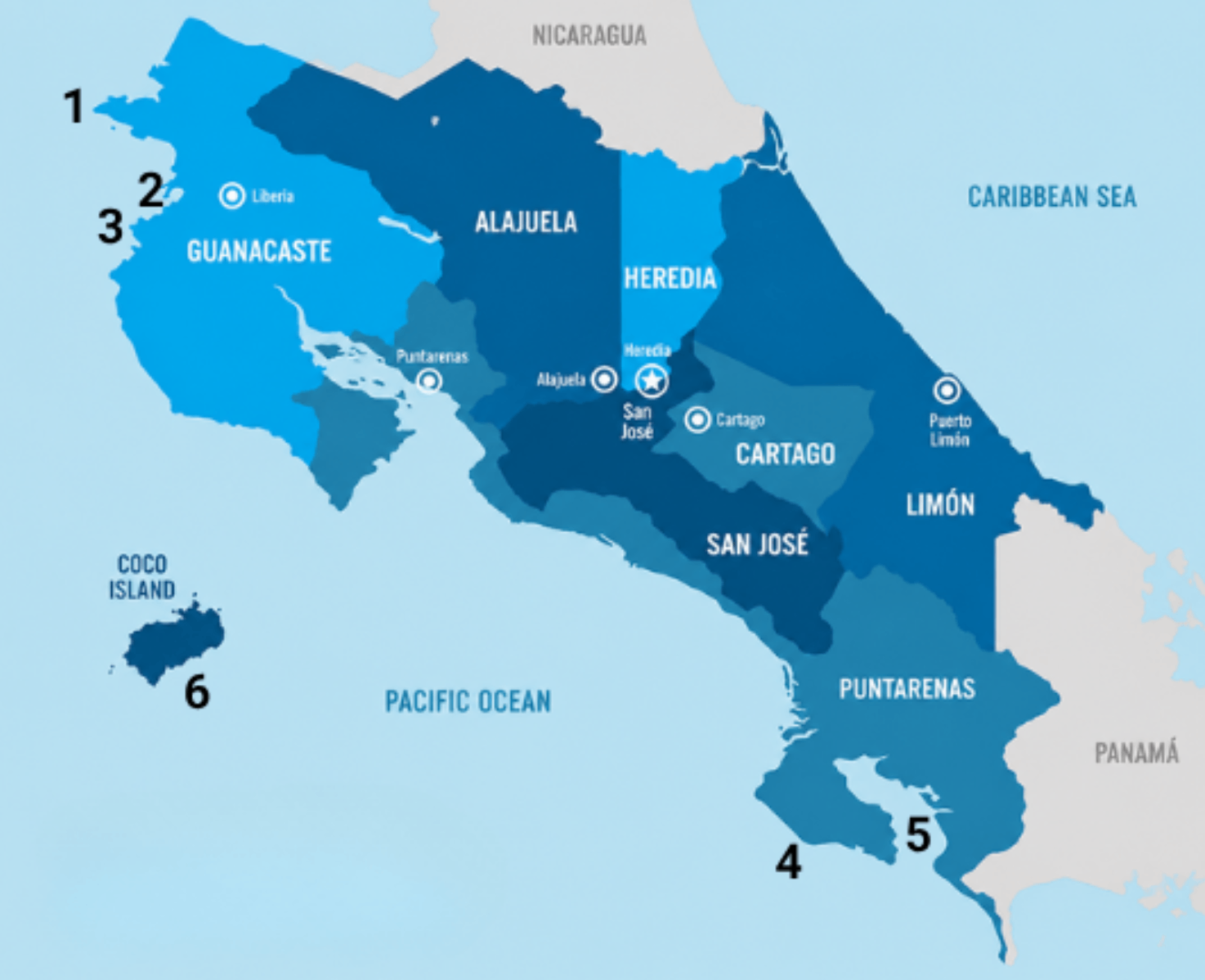
● 1 – Bat Islands
● 2 – Gulf of Papagayo
● 3 – Catalina Islands
● 5 – Golfo Dulce
Season: July–October.
 DEPTH RANGE
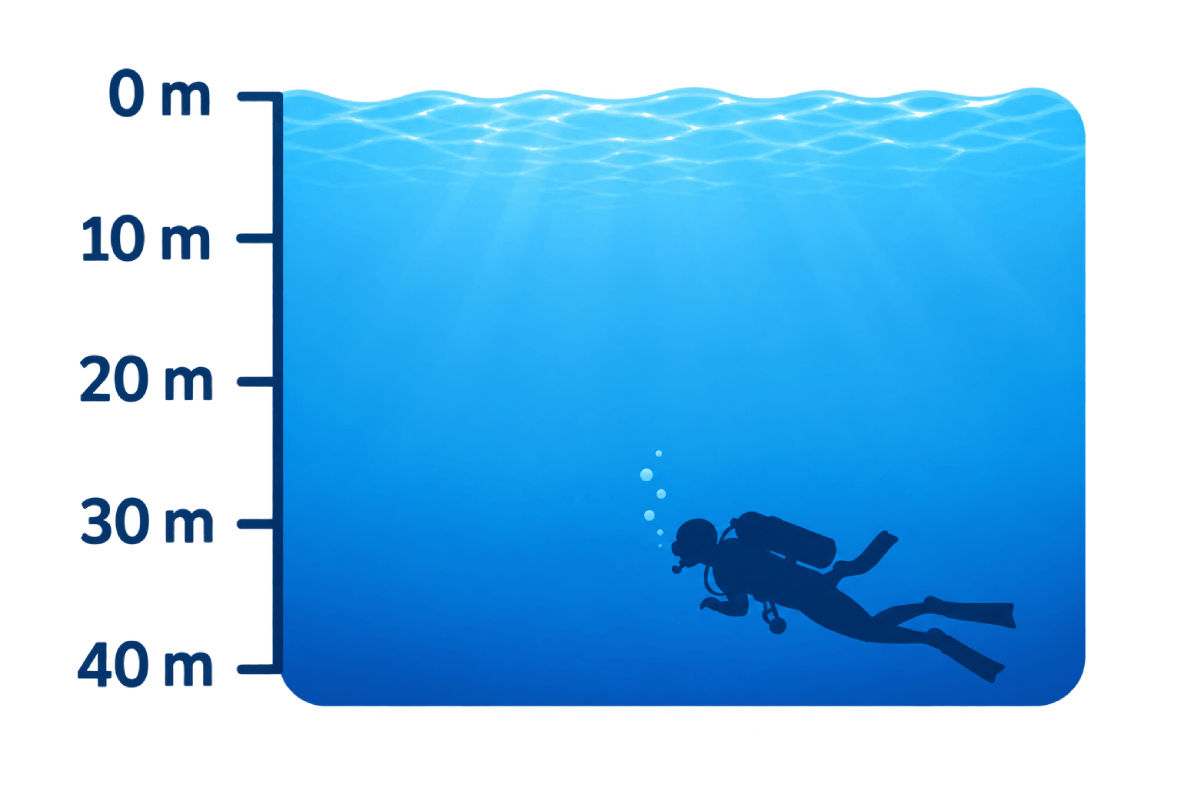
General: Surface–500 m (0–1,640 ft)
Common: At the surface
 HABITAT
Open ocean and coastal waters.
Bays and gulfs used for breeding.
 HOW TO IDENTIFY IT
- Female length: 11–16 m (36–52 ft); male length: 10–14 m (33–46 ft).
- Weight: 25–30 metric tonnes (55,000–66,000 lb).
- Robust, elongated body with a prominent hump in front of the dorsal fin.
- Very long pectoral fins, up to one-third of the body length, with scalloped, white edges.
- Small, triangular dorsal fin near the hump.
- Variable color patterns: white or mottled underside; pectoral fins generally white underneath.
 SIMILAR SPECIES
- Gray Whale (Eschrichtius robustus): Smaller, without the prominent dorsal hump described here, and with gray and white patches on the body.
 SIGHTING FREQUENCY
- ●●●○○ Regular (July–October)
 REPRODUCTION
- Sexual maturity: females at 5–6 years, males at 4–5 years.
- Viviparous, with internal fertilization.
- Gestation lasts 11–12 months.
- One calf per birth, approximately 4–5 m (13–16 ft) long and weighing 500–800 kg (1,102–1,764 lb).
- Nursing lasts 10–12 months.
 BEHAVIOR
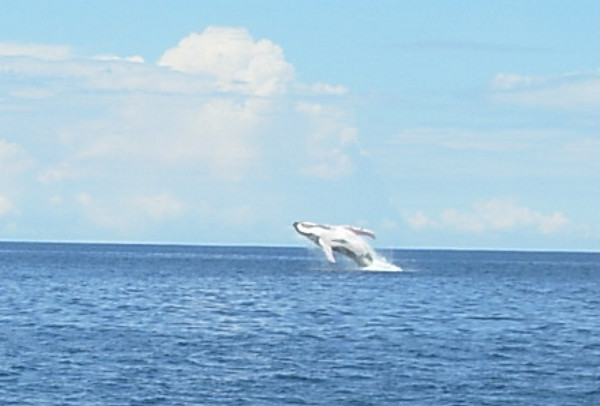
- Migratory; breaches, slaps its tail and flippers, and sings during the breeding season.
- Famous for complex songs lasting several minutes and repeated for hours; each population has its own song variations.
- Travels alone, in pairs or in small groups.
 DIET
- Primarily krill, small fish and squid.
- Filter-feeds using techniques such as bubble-net feeding and lunge feeding.