Common Octopus
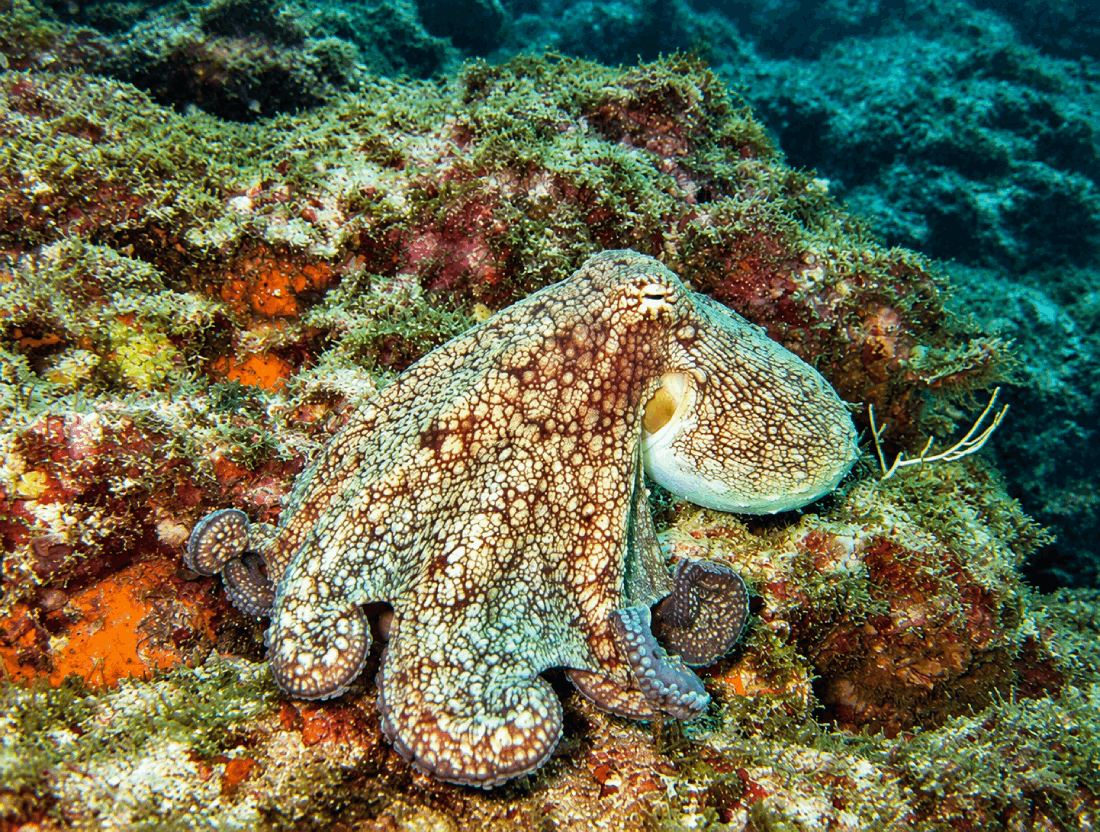
🇪🇸 Common name (ES): Pulpo común
🇺🇸 Common name (EN): Common Octopus
Phylum:
Mollusca
Class:
Cephalopoda
Order:
Octopoda
Family:
Octopodidae
Genus:
Octopus
Species:
Octopus hubbsorum
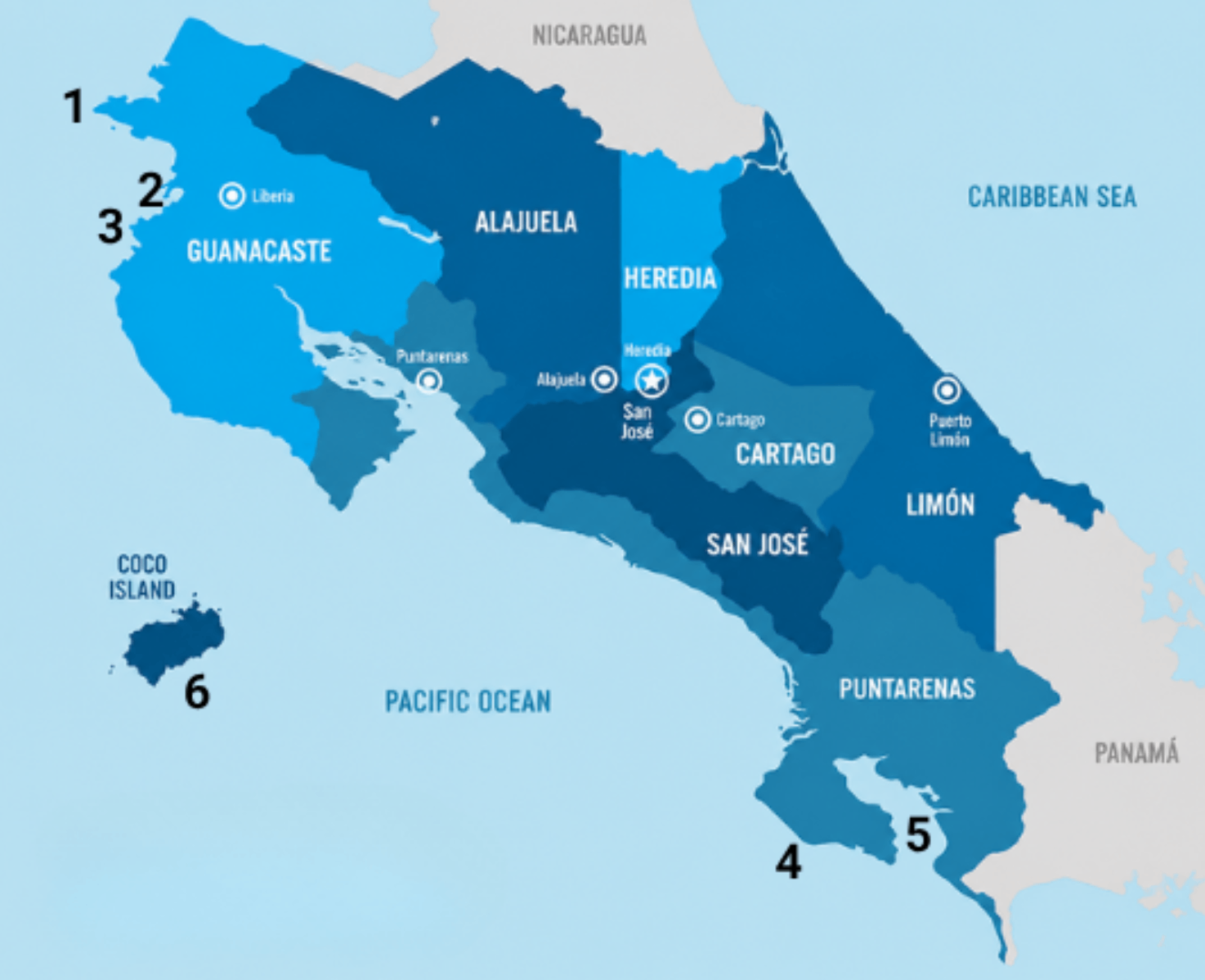
 DISTRIBUTION IN COSTA RICA
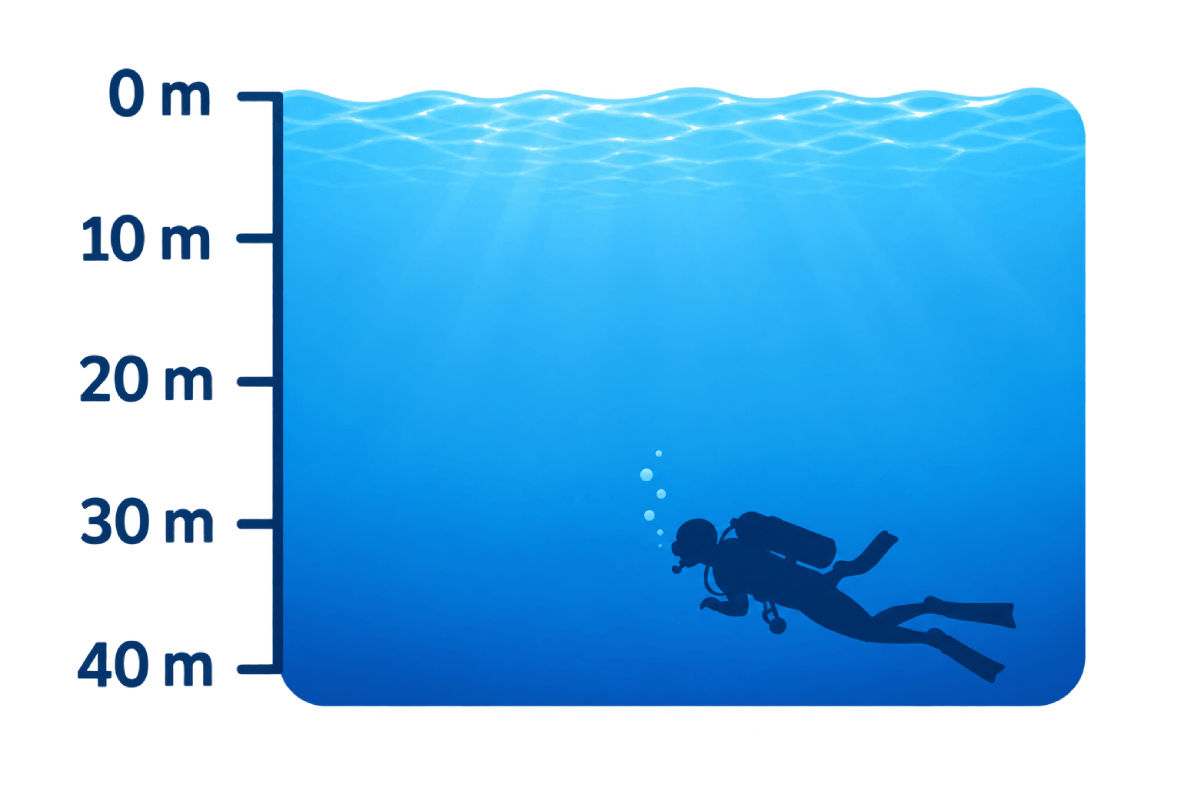
 DEPTH RANGE
General: 1–30 m (3–98 ft)
Common: 3–20 m (10–66 ft)
 HABITAT
🪨 Rocky Reefs
🪸 Coral Reefs
🕳️ Caves
◼️ Crevices
🪨 Rocky Bottoms
 HOW TO IDENTIFY IT
- Total size up to 90 cm (3ft), including extended arms.
- Variable coloration: brown, reddish, gray or greenish, with spots and patterns that change rapidly.
- Large eyes with a horizontal, W-shaped pupil.
- Eight arms with two rows of suckers.
- Soft, flexible body without an external shell.
 SIMILAR SPECIES
-
Two-spotted Octopus (Octopus bimaculatus): Two dark blue spots behind the eyes. Similar size, but with distinctive markings.
-
Pacific Red Octopus (Octopus vulgaris): More common in the Caribbean. Similar appearance but with a different distribution.
 SIGHTING FREQUENCY
- ●●●●○ Common
 REPRODUCTION
-
Sexual maturity: Between 1–2 years.
-
Oviparous, with internal fertilization.
-
The young are independent from birth.
-
Females lay between 50,000 and 90,000 eggs.
-
The female stops feeding while incubating the eggs and dies after they hatch.
- 🥚 Egg-laying (Oviparous)
 BEHAVIOR
- Primarily nocturnal.
- Solitary and territorial.
- Masters of camouflage, they can change their color and body shape in fractions of a second.
 DIET
- 🦀 Crustaceans
- 🐟 Small Fish
- 🐚 Mollusks
- 🦐 Other Invertebrates