Red-tipped Sea Goddess
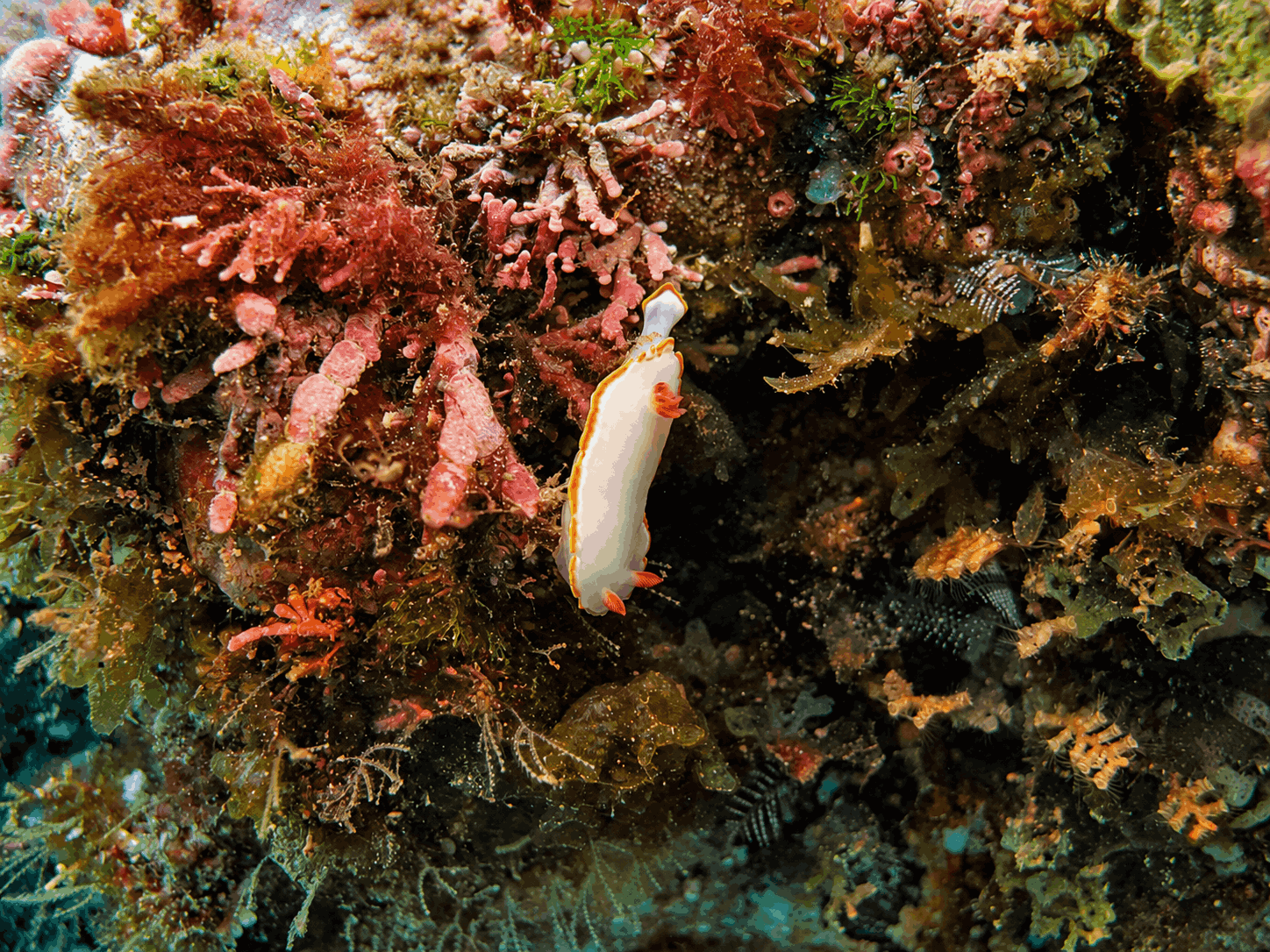
SCIENTIFIC NAME:
Chromolaichma sedna
🇪🇸 Common name (ES): Diosa marina de puntos rojos
🇺🇸 Common name (EN): Red-tipped Sea Goddess
CLASSIFICATION
Phylum:
Mollusca
Class:
Gastropoda
Order:
Nudibranchia
Family:
Chromodorididae
Genus:
Chromolaichma
Species:
Chromolaichma sedna
 DISTRIBUTION IN COSTA RICA
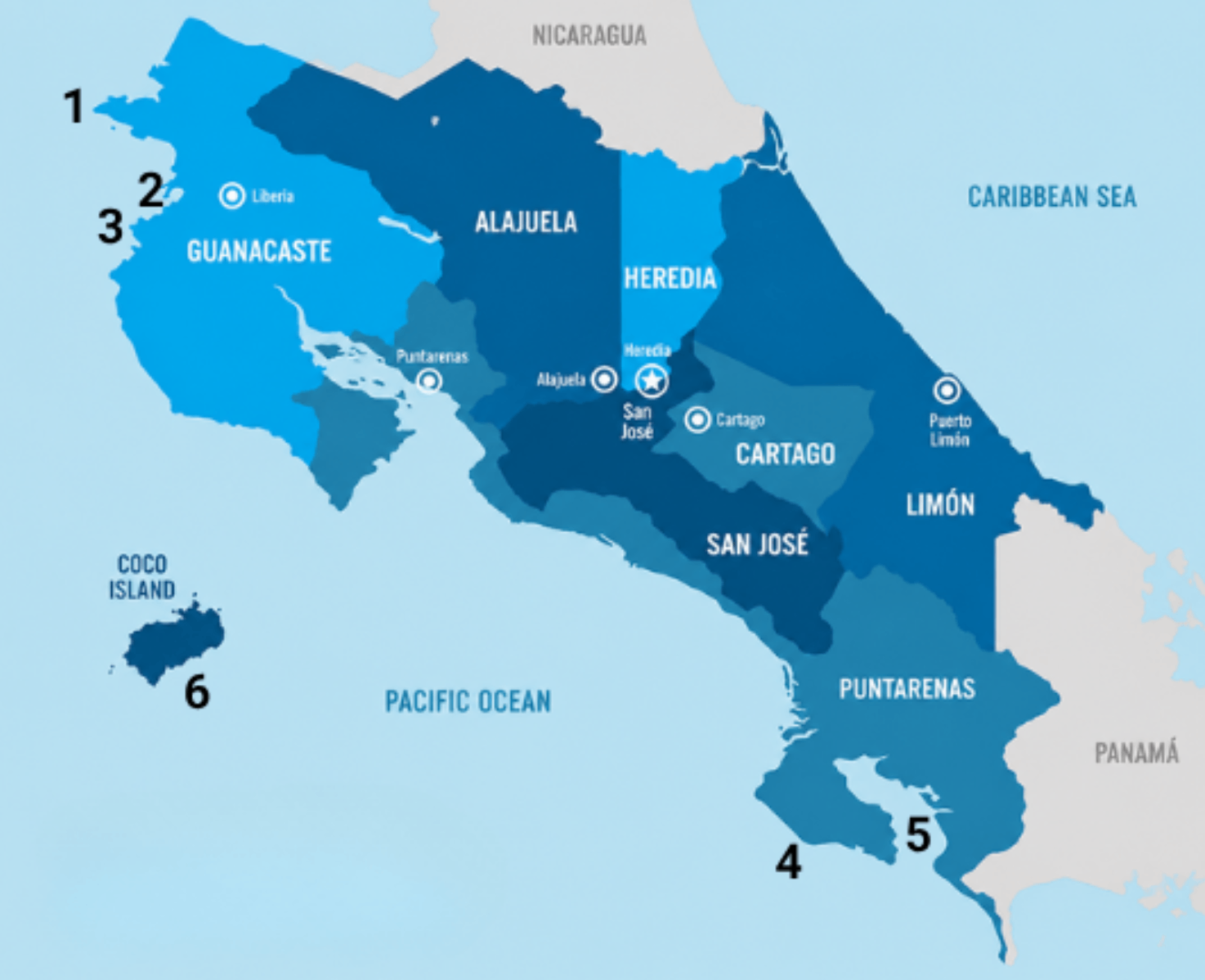
● 1 – Bat Islands
● 2 – Gulf of Papagayo
● 3 – Catalina Islands
● 4 – Osa Peninsula
● 5 – Golfo Dulce
● 6 – Cocos Island
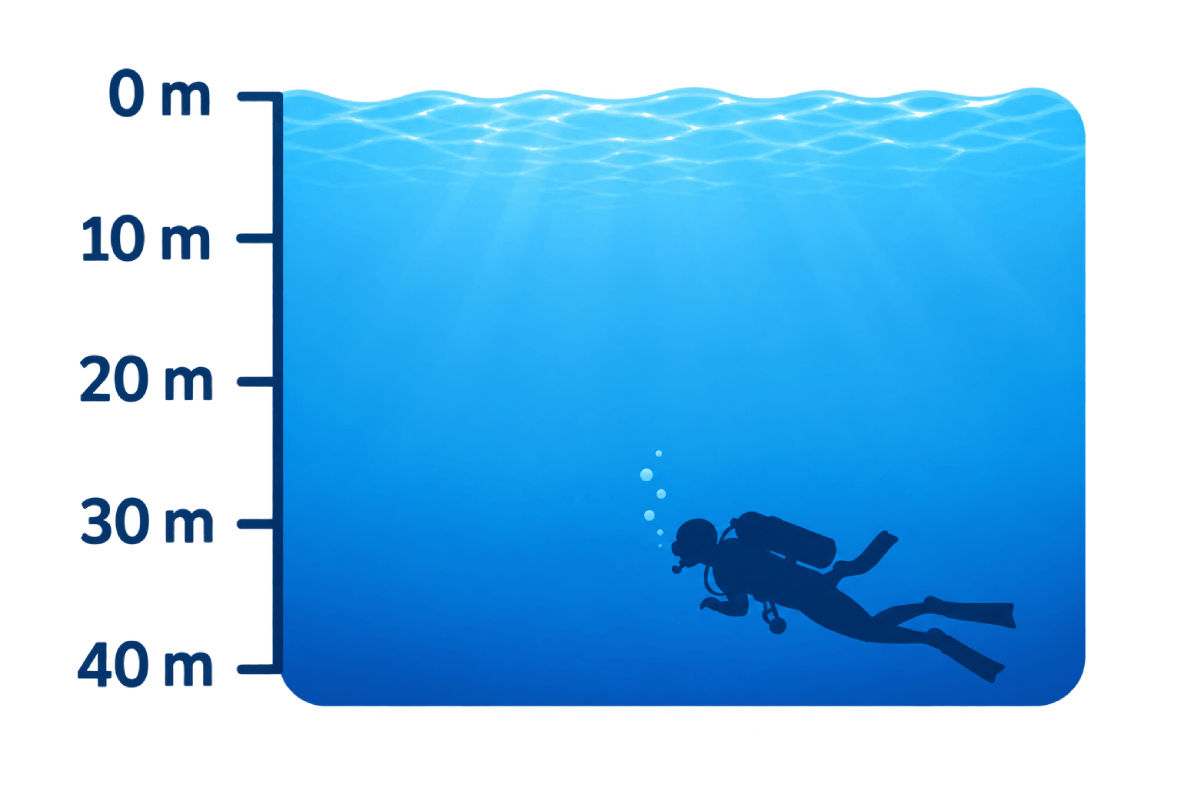
 DEPTH RANGE
General: To 30 m (98 ft)
Common: 5–20 m (16–66 ft)
 HABITAT
🪨 Rocky intertidal areas
🪨 Rocky Reefs
🪸 Coral Reefs
🌿 Mangroves
 HOW TO IDENTIFY IT
- Maximum length: 6.3 cm (2.5 in).
- Soft-bodied gastropod that loses its shell during the larval stage.
- Retractile, feathery gills arranged around the anus.
- Two horn-shaped sensory structures, called rhinophores, on the head.
- No complex eyes, but photoreceptors that detect light and darkness.
- Elongated, oval body with a long, pointed tail.
- White body with red and yellow margins along the mantle and tail.
 SIMILAR SPECIES
- Chromolaichma dalli – the mantle margin is dark brown or black.
 SIGHTING FREQUENCY
- ●●○○○ Occasional
 REPRODUCTION
- Simultaneous hermaphrodites. The notes describe sexual reproduction through hypodermic insemination: the individual that penetrates the partner’s body wall takes the male role, while the other takes the female role.
- Eggs are deposited in masses on the substrate.
- They hatch into veliger larvae, which later develop into adults.
 BEHAVIOR
- It absorbs toxic chemical compounds and sharp spicules from its food.
- Its red and yellow border serves as a warning to predators that it is toxic—a form of warning coloration known as aposematism.
 DIET
- 🧽 Spongivorous: feeds exclusively on sponges, including at least 17 different species.