Hawksbill Turtle
SCIENTIFIC NAME:
Eretmochelys imbricata
🇪🇸 Common name (ES): Tortuga carey
🇺🇸 Common name (EN): Hawksbill Turtle
CLASSIFICATION
Phylum:
Chordata
Class:
Reptilia
Order:
Testudines
Family:
Cheloniidae
Genus:
Eretmochelys
Species:
Eretmochelys imbricata
 DISTRIBUTION IN COSTA RICA
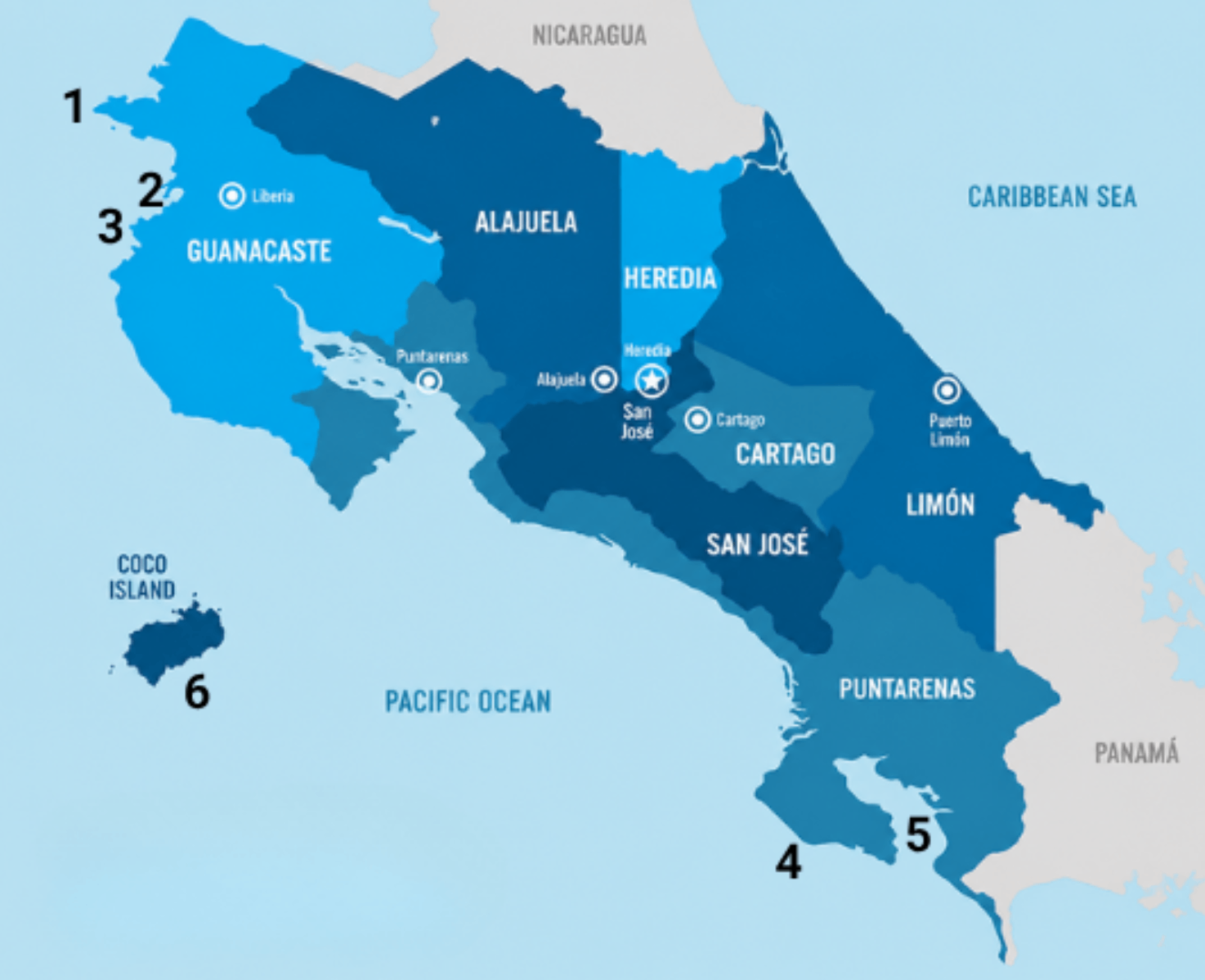
● 1 – Bat Islands
● 2 – Gulf of Papagayo
● 3 – Catalina Islands
● 4 – Osa Peninsula
● 5 – Golfo Dulce
● 6 – Cocos Island
 DEPTH RANGE
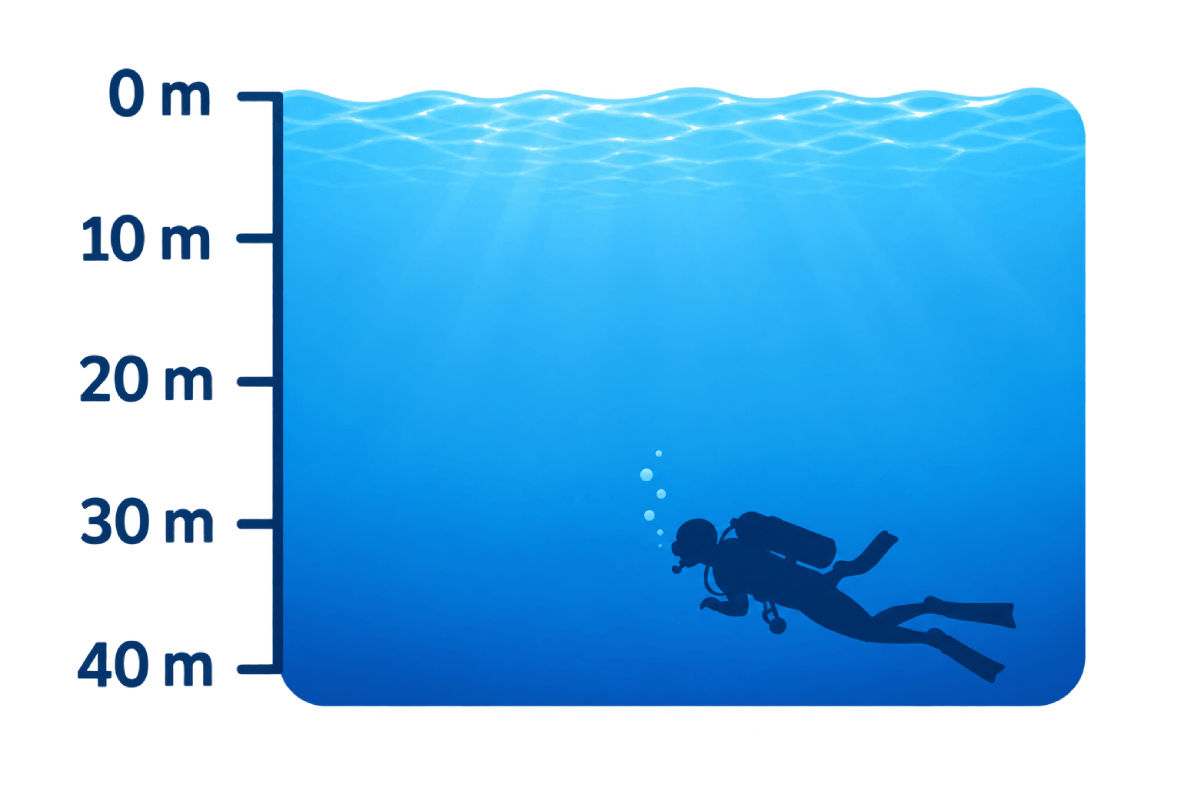
General: 0–30 m (0–98 ft)
Common: 2–15 m (7–49 ft)
 HABITAT
🪸 Coral reefs
Seagrass meadows
🪨 Rocky bottoms
🌊 Open water
🏖️ Beaches
 HOW TO IDENTIFY IT
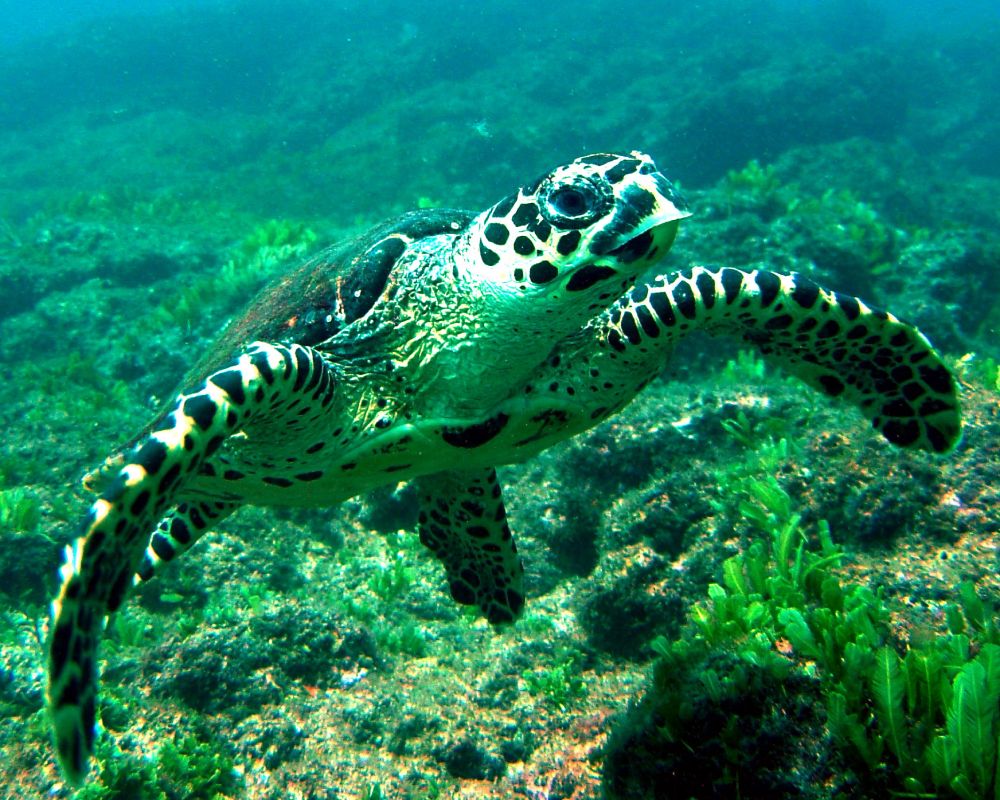
- Adult length: 62–95 cm (2–3.1 ft).
- Weight: 45–90 kg (99–198 lb).
- Elliptical shell, slightly compressed laterally, with amber-brown coloration and radiating streaks of dark yellow, orange and black; serrated shell margin.
- The horny shell plates, or scutes, overlap in young adults.
- Narrow, elongated head with a pointed beak that curves downward.
- Long front flippers with two visible claws along the leading edge.
- Adult males have longer, thicker tails and a more prominent curved claw on the front flippers.
 SIMILAR SPECIES
- Green Turtle (Chelonia mydas): Smoother shell with scutes that do not overlap.
- Olive Ridley Sea Turtle (Lepidochelys olivacea): Rounder head with a straighter beak.
 SIGHTING FREQUENCY
- ●●●○○ Occasional
 REPRODUCTION
- Sexual maturity: 20–35 years.
- 🥚 Oviparous: females return to the beach where they hatched to nest, usually every 2–5 years.
- A female may lay 3–6 clutches in a nesting season, with 13–18 days between clutches.
- Mating occurs at sea several weeks before the first clutch is laid.
- Each clutch contains 80–160 spherical eggs; incubation lasts 60–70 days.
- Hatchling sex is determined by incubation temperature: temperatures above 29.5°C (85.1°F) produce predominantly females, while temperatures below 28.5°C (83.3°F) produce predominantly males.
 BEHAVIOR
- Solitary and bottom-associated, moving around reefs and exploring crevices in search of food.
- Partly nocturnal in areas with high predation pressure.
- Surfaces to breathe every 45–90 minutes while active, but may remain submerged for 3–4 hours when resting.
- Not territorial.
 DIET
- 🧽 Primarily sponges, which make up 70–95% of the diet.
- Also eats jellyfish, sessile tunicates, crinoids, sea anemones, calcareous algae and soft-bodied mollusks.