Spotted Pufferfish
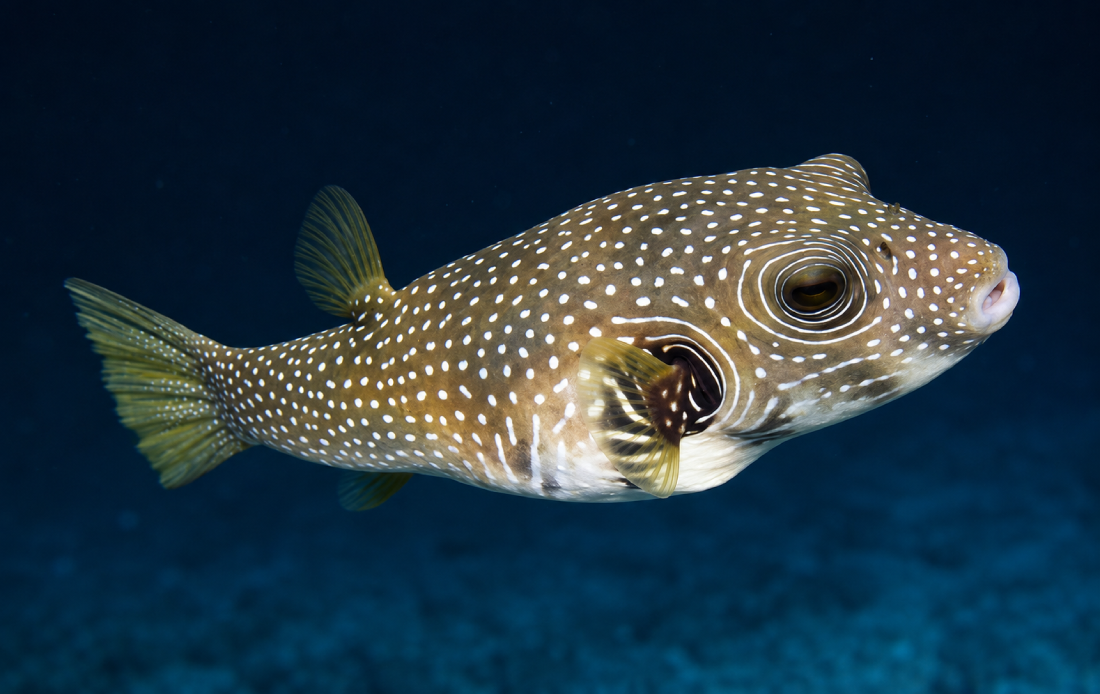
SCIENTIFIC NAME:
Trothron hispidus
Common name:
🇪🇸 (ES): Pez globo manchado
🇺🇸 (EN): Spotted Pufferfish
CLASSIFICATION
Phylum:
Chordata
Class:
Actinopterygii
Order:
Tetraodontiformes
Family:
Tetraodontidae
Genus:
Triaenodon
Species:
Triaenodon obesus
 DISTRIBUTION IN COSTA RICA
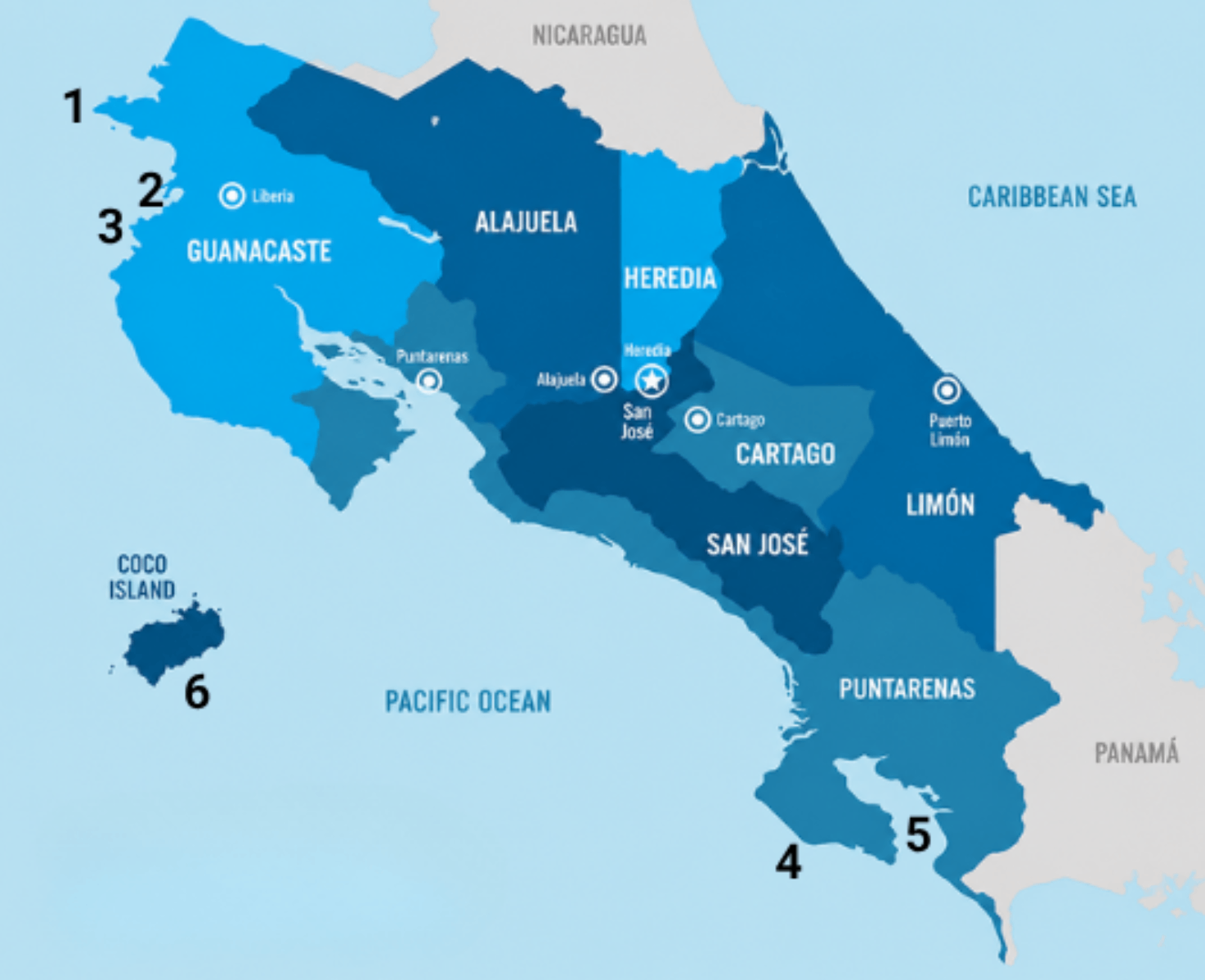
● 1 – Murciélago
● 2 – Papagayo
● 3 – Catalinas
● 4 – Osa
● 5 – Golfo Dulce
● 6 – Isla del Coco
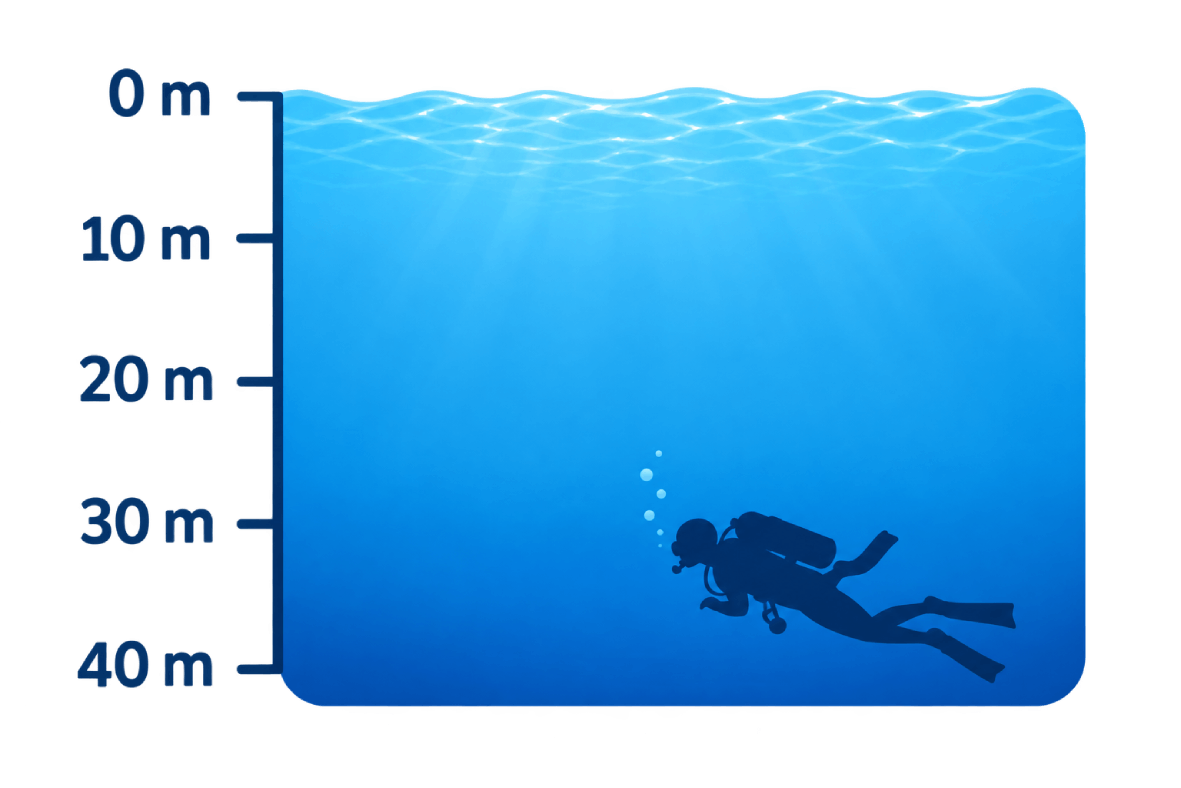
 DEPTH RANGE
Depth range: 1–25 m (3–82 ft)
Common: 3–15 m (10–49 ft)
 HABITAT
🪨 Rocky Reef
〰 Sandy Bottom
⛰️ Caves & Crevices
Rocky reefs, rubble areas, caves, sandy areas near rocky formations.
 HOW TO IDENTIFY IT
- Typical size: up to 40 cm (1,3 ft)
- Common: 20cm-30cm (0,7–1,0 ft)
- Robust, rounded body, light gray to brownish-gray with numerous small dark spots.
- Small mouth with fused teeth that form a beak.
- Large eyes located toward the sides of the head.
- Small fins without visible spines; the body inflates when the fish feels threatened.
 SIMILAR SPECIES
- Bandtail Puffer (Sphoeroides annulatus): Has dark bands instead of spots and lacks visible spines.
- Guineafowl Puffer (Arothron meleagris): Has numerous small white spots on a dark body.
- Long-spine Porcupinefish (Diodon holocanthus): Has clearly visible long spines.
 SIGHTING FREQUENCY
- ●●●●● Very Common
 REPRODUCTION
- The female releases eggs, and fertilization occurs externally in the water.
- The eggs produce larvae that later develop into juveniles.
- 🥚 Egg-laying (Oviparous)
 BEHAVIOR
- Generally solitary
- Curious but shy
- Takes refuge in crevices or caves during the day
- Inflates if it feels threatened
 DIET
DIET
- 🦀 Crustaceans
- 🐚 Mollusks
- 🦔 Sea Urchins
- 🦐 Small Invertebrates